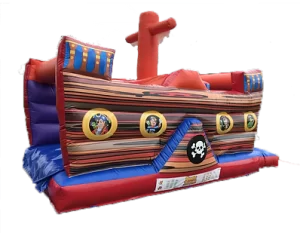
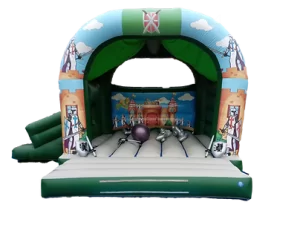
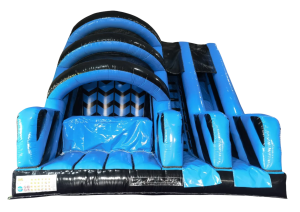
All our inflatables are professionally maintained, cleaned, and inspected before every hire. We follow strict safety guidelines and provide fully insured bouncy castle hire Cheshire, giving you peace of mind.
We offer affordable bouncy castle hire Cheshire, with flexible packages to suit birthdays, schools, and garden parties. Our pricing is competitive, providing great value for hours of entertainment.
We deliver and set up inflatables in Chester, Ellesmere Port, Hooton, Neston, Bromborough, Kelsall and much more.. Our team handles setup and collection so you can focus on enjoying the party.
From classic bouncy castles to themed designs and obstacle courses, we have something to suit every party. Explore our range.
Can you set up bouncy castles / inflatables on hardstanding, concrete, car parks, patios, grass, astroturf or other surfaces?
Yes, we offer suitable solutions for most ground surfaces. Grass is ideal (using secure pegs), but we can set up safely on hardstanding, concrete, tarmac, patios, driveways and car parks using the correct weighted anchoring systems (as required by HSE guidelines). Astroturf and some artificial surfaces are usually fine too. Just let us know your surface type when booking so we can confirm the best setup method and any extra requirements.
What time do you deliver and collect bouncy castles / party hire equipment?
We aim to deliver all hires before 10:00 am so you have plenty of setup time, and collections normally start from 6:30 pm onwards. That said, we’re very flexible, whether you need early morning delivery, late collection, overnight hire, full weekend packages, or specific times to match your party/venue schedule, just tell us your requirements and we’ll do our best to accommodate you.
Are your bouncy castles and equipment fully insured?
Yes, we carry full public liability insurance and all our inflatables, soft play, games and accessories are regularly PAT tested, safety-checked, cleaned and maintained to the highest standards. You can hire with complete peace of mind.
My question isn’t answered here, what should I do?
No problem! Please feel free to call, text, WhatsApp or message us directly with any questions about availability, suitability for your garden/venue, pricing, safety, sizes, themes or anything else. We’re happy to help before you book so you can make the right choice for your event.